


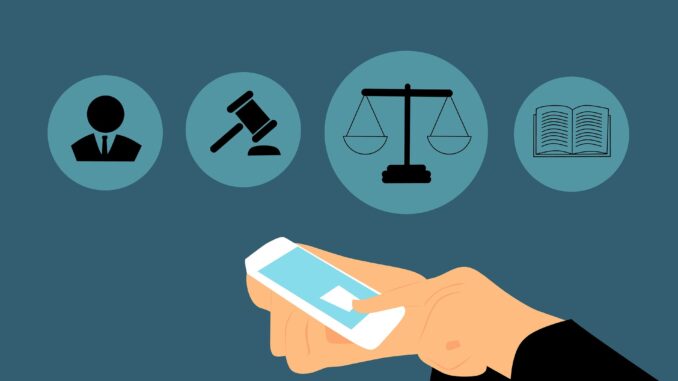
In recent years, governments around the world have been introducing new regulations aimed at improving transparency, safety, and accountability in digital spaces. As technology continues to evolve rapidly, policymakers are working to ensure that online platforms operate responsibly while protecting users from misinformation, data misuse, and harmful content.
One of the most significant regulatory shifts involves stricter oversight of digital platforms, including social media networks, streaming services, and online marketplaces. These regulations are designed to create safer online environments while ensuring companies take greater responsibility for the content and services they provide.
Strengthening Data Privacy and User Protection
A major focus of new digital regulation is data privacy. With increasing concerns over how personal information is collected, stored, and shared, governments are introducing stricter rules that require companies to be more transparent about their data practices.
Organizations are now expected to clearly inform users about what data is collected and how it is used. In many regions, users must also be given more control over their personal information, including the ability to opt out of data tracking and request deletion of stored data.
These changes aim to reduce the risk of data misuse and strengthen consumer trust in digital platforms. Companies that fail to comply with privacy standards may face penalties, legal action, or restrictions on their operations.
Content Moderation and Platform Accountability
Another key area of regulation involves content moderation. With the rise of user-generated content, platforms are under increasing pressure to remove harmful or illegal material more quickly and effectively.
New rules in several regions require platforms to actively monitor and address issues such as misinformation, hate speech, and illegal activity. Instead of reacting after harmful content spreads, companies are now expected to take a more proactive approach.
This shift has led to increased investment in artificial intelligence tools and human moderation teams. However, it also raises concerns about balancing safety with freedom of expression. Regulators and tech companies continue to debate how to enforce rules without overly restricting legitimate speech.
Impact on Businesses and Innovation
While these regulations aim to protect users, they also present challenges for businesses. Compliance often requires significant investment in technology, legal frameworks, and operational changes. Smaller companies, in particular, may face difficulties adapting to complex regulatory requirements.
At the same time, many experts believe that clear regulations can encourage long-term innovation by creating a more stable and trustworthy digital environment. When users feel safer online, engagement and confidence in digital services tend to increase.
The Future of Digital Regulation
As technology continues to advance, regulatory frameworks are expected to become more detailed and adaptive. Emerging areas such as artificial intelligence, blockchain, and virtual environments will likely see new rules designed to address their unique challenges.
Overall, digital regulation is becoming a key part of modern governance. While balancing innovation and control remains a challenge, these efforts aim to create a safer, more transparent, and more accountable digital world for users and businesses alike.
Leave a Reply