


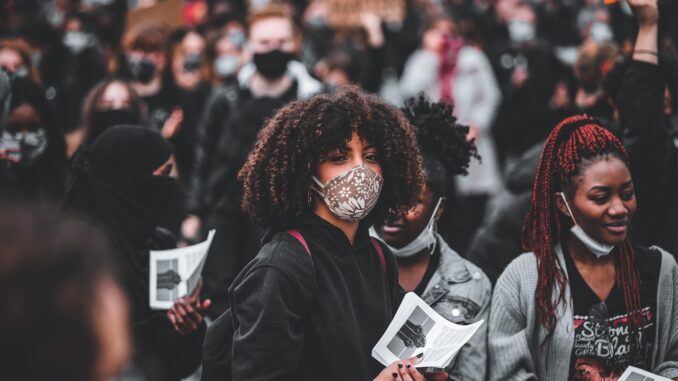
Growing frustration over household expenses and declining public services has fueled a wave of demonstrations across France, turning student grievances into a wider expression of public dissatisfaction.
The recent France unrest reflects several concerns that have been building for weeks. Students have protested shortages of teachers and poor school facilities, while workers and families have raised concerns about rising prices, wages and the affordability of everyday life.
Hundreds of thousands of people took part in demonstrations across the country on October 17, according to estimates reported by French authorities and protest organizers. While many marches remained peaceful, some developed into violent confrontations, looting and fires.
The scale of participation suggests that public anger extends well beyond education.
Schools Became a Starting Point for Broader Discontent
Student demonstrations helped bring longstanding problems in the education system into the national spotlight. Complaints about staffing shortages and inadequate facilities drew support from people who believe essential public services are no longer meeting their needs.
The movement subsequently attracted trade unions and other groups calling for better wages, stronger public services and relief from rising living costs.
The government has pledged to deploy approximately 3,000 qualified teachers who have yet to begin their assignments. However, protesters have called for broader improvements, and questions remain over whether the planned measures will be sufficient.
The France unrest illustrates how concerns within one public service can become part of a larger debate about economic opportunity and government priorities.
Rising Prices Put Pressure on Household Budgets
The cost of food, energy and fuel has added to the pressure on French households. For people already struggling with stagnant incomes or uncertain employment, higher everyday expenses can deepen concerns about inequality.
Some demonstrators have revived symbols associated with the Yellow Vest movement, which gained prominence in 2018 amid anger over fuel prices and perceived economic unfairness.
The current demonstrations also come as the government faces difficult decisions over public spending. France’s strained finances limit its ability to introduce costly support programs while trying to control its budget deficit.
This creates a difficult situation for policymakers. People are demanding improvements in services and living standards, but the government has limited room to finance major new commitments.
Violence Adds to the Political Challenge
The demonstrations have also produced serious damage. Shops were looted, public buildings were set on fire, and the historic town hall in Limoges was badly damaged. Authorities reported approximately 2,400 arrests over the weekend.
President Emmanuel Macron rejected Interior Minister Laurent Nuñez’s offer to resign following criticism of the security response. Instead, Macron demanded accountability and greater transparency regarding failures to anticipate the unrest.
Officials have discussed localized curfews and additional police deployments to prevent further disorder. However, restoring calm may prove difficult if the economic and social concerns behind the demonstrations remain unresolved.
The France unrest has also created challenges for a government already struggling to advance budget measures in a divided parliament.
Economic and Political Consequences Could Continue
Prolonged demonstrations could affect small businesses, consumer confidence and investment. Damaged shops face repair costs and lost sales, while continued uncertainty may discourage normal commercial activity.
The unrest also comes ahead of France’s 2027 presidential election, adding pressure to an already competitive political environment. Opposition parties are likely to use the government’s handling of the crisis to challenge its record on security, economic policy and public services.
Further demonstrations and planned union strikes could keep these issues in the headlines in the coming weeks.
Addressing the Causes Will Be as Important as Restoring Order
Police deployments and temporary restrictions may reduce immediate risks, but lasting stability will require a response to the concerns that brought such large crowds into the streets.
Improving schools, protecting access to public services and easing financial pressure on households are likely to remain central issues in the debate.
The next phase of France unrest will show whether the government can combine effective security measures with practical steps to rebuild public confidence.
Leave a Reply