


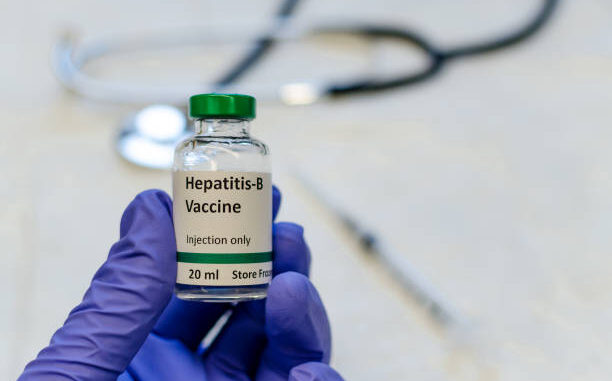
Researchers have reported promising results from a new experimental hepatitis B drug that could change the future of treatment for millions of patients worldwide. Early clinical trials suggest the medication may help some people achieve what experts describe as a “functional cure,” allowing them to stop treatment while keeping the virus under control.
Chronic hepatitis B remains one of the world’s most serious liver diseases, causing liver failure, liver cancer, and over a million deaths globally every year. Although current medications can reduce the virus and slow liver damage, most patients must continue treatment for life because the infection can return once medication stops.
The new drug, called bepirovirsen, is showing encouraging results by targeting the virus in a completely different way from traditional therapies.
Experimental Drug Helps Suppress Hepatitis B Virus
Bepirovirsen is designed to attack the genetic material of the hepatitis B virus while also reducing important viral proteins that help the infection survive inside the body. Researchers say the treatment may also help stimulate the immune system, allowing the body to better control the virus naturally.
Large international studies involving more than 1,800 patients tested the new drug alongside standard hepatitis B medication. Participants received weekly injections over several months while continuing their regular antiviral pills.
The results were highly encouraging for a portion of patients. Around 20% of individuals receiving the experimental treatment achieved extremely low or undetectable levels of the virus, even after stopping both the injections and their regular medication. Researchers describe this as a “functional cure” because the virus remains controlled without ongoing treatment.
Patients who received placebo injections did not experience the same outcome, highlighting the potential effectiveness of the drug.
Researchers also found that patients with lower levels of certain hepatitis B proteins at the start of the study were slightly more likely to respond successfully to the treatment. Scientists are continuing research to understand why some patients respond better than others.
Why This Discovery Could Change Hepatitis B Treatment
Hepatitis B is a viral liver infection spread through blood and bodily fluids, including transmission during childbirth. While vaccines provide strong protection, more than 250 million people worldwide still live with chronic hepatitis B infections.
One of the biggest challenges in treating hepatitis B is the virus’s ability to remain hidden inside the body, even during treatment. Current antiviral medications can suppress the virus effectively, but they rarely eliminate it completely, which is why patients often require lifelong therapy.
The possibility of a functional cure represents a major breakthrough for doctors and patients. Experts believe reducing long-term dependence on daily medication could improve quality of life and make treatment easier in regions where healthcare access is limited.
Researchers are also monitoring patients from earlier trials to see how long the virus remains controlled after treatment ends. Some patients have reportedly remained stable for several years following therapy, although scientists say more long-term research is still needed.
The drug is currently under review by health regulators in several countries, including the United States, Europe, Japan, and China. A decision regarding approval in the United States is expected later this year.
While the results are promising, experts caution that the treatment may not work for everyone. The trials did not include some patients with advanced liver disease or other complex conditions, meaning additional studies will be important before the therapy becomes widely available.
Still, researchers believe this development marks one of the most significant advances in hepatitis B treatment in decades and could open the door to more effective therapies in the future.
Leave a Reply