


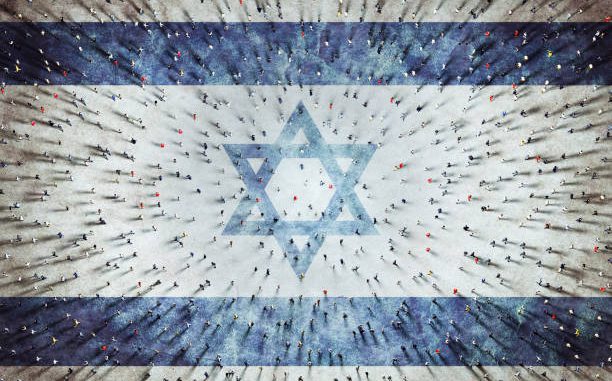
Israeli Prime Minister Benjamin Netanyahu is facing intense criticism following the renewed Gaza war, which shattered a two-month ceasefire with Hamas. Protesters gathered outside the Knesset in Jerusalem, accusing Netanyahu of prioritizing his political survival over national security and the safety of hostages.
On the main highway between Tel Aviv and Jerusalem, demonstrators displayed banners questioning the government’s priorities. The resumption of hostilities has reignited deep divisions within Israeli society, with many expressing frustration at the ongoing conflict. A day after airstrikes resumed, Gaza’s Health Ministry reported over 400 deaths and hundreds of injuries, marking one of the war’s deadliest days.
The Israeli military confirmed launching ground operations in Gaza, partially reclaiming strategic areas. The escalation appears to have reinforced Netanyahu’s fragile coalition as he faces corruption charges and an impending budget vote. The return to war also secured the backing of far-right minister Itamar Ben-Gvir, whose party rejoined the coalition after withdrawing in protest of the earlier ceasefire.
However, public sentiment does not align with this strategy. A recent poll from the Israel Democracy Institute indicated that over 70% of Israelis favored negotiating a ceasefire in exchange for the release of hostages. Even within Netanyahu’s Likud party, 61.5% supported extending the truce. The prime minister’s decision to resume the Gaza war has fueled concerns about further destabilization and growing unrest.
Among those demonstrating was Yuval Yairi, an artist from Jerusalem, who accused Netanyahu of reigniting the war for political leverage ahead of the crucial budget vote. He warned of a looming civil conflict due to widening societal fractures between secular and religious communities.
Eliad Shraga, chairman of the Movement for Quality Government in Israel, echoed these concerns. He accused Netanyahu of using the war as a tool to evade justice amid his corruption trial. Shraga argued that the prime minister was willing to sacrifice hostages and soldiers to maintain his grip on power. Notably, Netanyahu was scheduled to testify in court on the day military operations resumed, but the session was postponed due to the conflict.
Opposition leader Yair Lapid also joined the demonstrations, condemning the government’s actions. He emphasized the threat to democracy posed by recent legislative moves, particularly a proposed judicial reform that would alter the composition of Israel’s Judicial Selection Committee. Critics argue the bill would give politicians excessive influence over judicial appointments, undermining judicial independence.
While thousands protested against Netanyahu, some Israelis rallied in support of his military strategy. Margalit Yachad, a volunteer ambulance driver, defended Netanyahu’s leadership, arguing that internal divisions weaken the country’s ability to confront external threats.
As Israel’s political crisis deepens, Netanyahu remains resolute in his stance, insisting that military pressure on Hamas is necessary to secure the release of hostages. Yet, the country remains deeply divided, with fears growing over the long-term consequences of the Gaza war and ongoing political instability.
Leave a Reply