


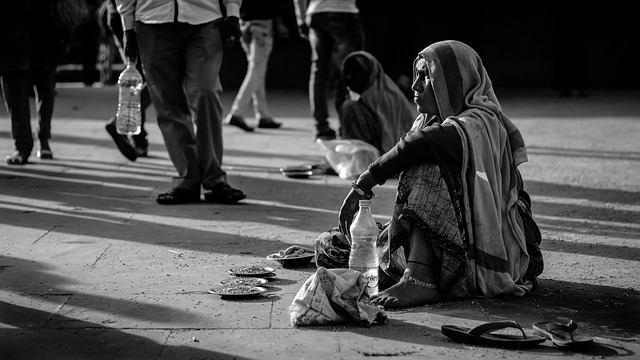
Afghanistan faces a deepening food crisis, with millions of people forced to survive on minimal sustenance such as bread and tea. The World Food Programme (WFP) in Afghanistan has warned that it can now only support half of the population in desperate need, following significant cuts in international aid and a freeze on U.S. foreign funding.
According to Hsiao-Wei Lee, WFP’s Country Director in Afghanistan, funding shortages have left over six million people without adequate food assistance. “That’s over 6 million people eating just one or two meals a day—mostly bread and tea,” she said. This bleak reality highlights the growing plight of the Afghan people during the harsh winter months.
The crisis stems largely from the events of 2021, when the Taliban regained control of Afghanistan. In response, international development and security assistance were frozen, plunging the country into economic turmoil. Humanitarian aid, designed to bypass Taliban control and address urgent needs, has been the only lifeline for millions. However, donors have increasingly reduced their contributions, citing global emergencies elsewhere and the Taliban’s restrictions on women.
The Taliban’s policies, including the ban on Afghan women working for non-governmental organizations (NGOs), have drawn widespread condemnation. Despite limited exemptions for women working in sectors like health, these restrictions have discouraged donors. Global crises in Ukraine, Sudan, and Gaza have further strained humanitarian budgets, leaving Afghanistan with only 50% of its funding requirements met in 2024, according to UN data.
The situation took a further hit when the U.S. State Department issued a “stop-work” order on foreign aid allocations, pending a review. The U.S., previously the largest contributor to Afghanistan’s humanitarian efforts, had provided over 40% of the total aid. It remains unclear how this pause will impact critical food and health programs.
Lee emphasized the need for continued international support, especially for women and children, who are among the most vulnerable. “Any potential reduction in assistance is deeply concerning,” she said, urging decision-makers to consider the dire needs of the Afghan people.
Adding to the challenges, the International Criminal Court recently applied for arrest warrants against Taliban leaders, accusing them of human rights violations, including the persecution of women. While the Taliban’s policies have sparked global outrage, humanitarian organizations in Afghanistan continue to negotiate exemptions to ensure aid reaches those in need.
The WFP has been navigating an increasingly challenging operating environment over the last three years. “It has been a roller coaster,” said Lee, noting the organization’s efforts to demonstrate to donors that aid is still reaching women and children despite the Taliban’s restrictions.
Without immediate intervention, Afghanistan’s food crisis is poised to worsen, leaving millions more at risk. The need for a unified global response has never been more critical to prevent further suffering in a country already on the brink.
Leave a Reply