


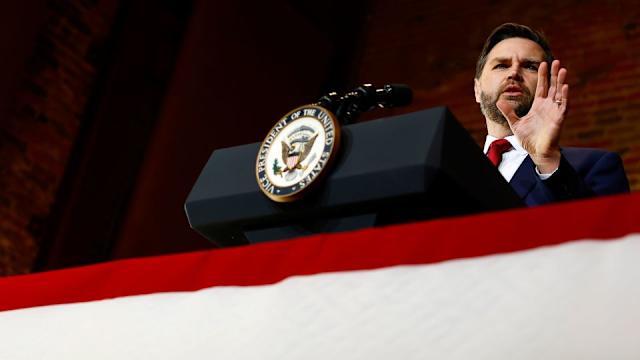
When the Trump administration ordered strikes on Iran’s nuclear facilities last June, Vice President JD Vance wasted no time making his enthusiasm known. He appeared on multiple Sunday news programs within hours, repeatedly praising the mission’s success. When the administration moved to apprehend Venezuelan President Nicolás Maduro in January, Vance was equally vocal, taking to social media almost immediately to defend the legality of the operation.
Two weeks into the war with Iran, however, Vance has offered no comparable show of support. His silence is becoming increasingly difficult to overlook.
A Carefully Guarded Silence
When pressed by reporters in North Carolina about what guidance he had offered the president, Vance deflected rather than answered. He cited the confidentiality of Situation Room discussions and suggested that sharing his views could somehow expose him to legal jeopardy, a claim that left many observers puzzled since he was asked about his general stance, not classified intelligence.
The response was unusual. But it was also revealing. Rather than defending the war with the kind of personal conviction he has shown on other issues, Vance has consistently redirected attention toward what the president thinks, what the president decided, and what the president wants. For a vice president who has rarely shied away from expressing strong opinions, the restraint stands out sharply.
A Record of Skepticism Toward Intervention
Vance’s hesitation does not exist in a vacuum. His track record on foreign military involvement has long leaned toward restraint. As a senator, he argued in a 2023 opinion piece that one of Trump’s defining achievements as president was his ability to keep the United States out of foreign wars. In 2024, he publicly stated that military conflict with Iran specifically was not in the national interest and would amount to a costly distraction. He had also voiced concern when a previous administration ordered the killing of an Iranian military commander, and leaked private communications suggested he was privately skeptical of U.S. strikes against Yemen’s Houthi rebels as well.
Those past positions align with his current behavior, even if he is now careful not to say so publicly.
Political Calculations and Future Ambitions
Some analysts believe Vance is deliberately managing his public image with the 2028 presidential race in mind. By avoiding strong endorsement of a war that is polling poorly with much of the American public, he may be preserving political flexibility for the future. Yet that same caution carries its own risks. As the second most prominent figure within the broader MAGA coalition, his reluctance to lend visible, enthusiastic support is not going unnoticed.
Even President Trump, when asked directly whether he and Vance were aligned, gave an answer that left room for interpretation. He acknowledged that Vance was “philosophically a little bit different” and “maybe less enthusiastic” about the decision to go to war, before adding that he eventually became supportive.
Defense Secretary Pete Hegseth, when asked about any division between the two men, offered only praise for Vance’s role on the team without addressing the underlying question.
For now, the administration appears willing to let Vance maintain his carefully measured distance. But as the conflict continues, that arrangement may become increasingly difficult to sustain.
Leave a Reply