


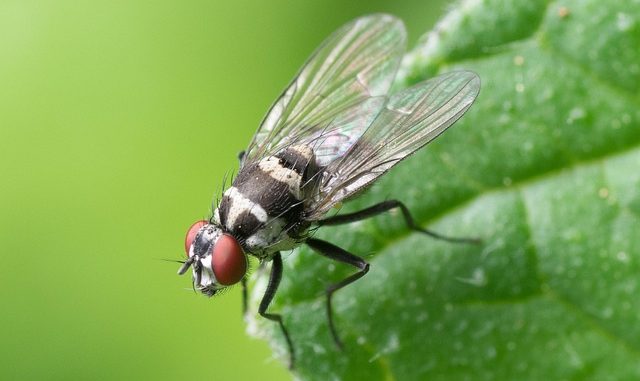
The United States is preparing an unusual but proven method to counter a dangerous flesh-eating parasite threatening livestock industries across North America. The pest in question is the New World screwworm—an aggressive fly whose larvae consume living flesh, targeting wounded animals and sometimes even humans.
Since early 2023, screwworm outbreaks have spread rapidly across Central America, appearing in countries like Panama, Costa Rica, Honduras, Guatemala, and El Salvador. This invasive fly reached southern Mexico by November, prompting swift action from US agricultural officials. The threat is now so close to the border that livestock ports in Texas and surrounding states have already been shut down as a precaution.
The Screwworm Threat and How It Works
The New World screwworm is a unique parasitic fly species. Its larvae hatch in open wounds on warm-blooded animals and feed on living tissue, which causes large, painful lesions. These maggots can severely weaken or kill livestock within a week or two if not treated. The fly poses a particular danger to cattle, horses, and other farm animals but can also impact wildlife and even domestic pets.
Once the larvae have fed, they fall to the ground and develop into adult flies, continuing the cycle. With over 35,000 infestations reported since the latest outbreak began, mostly in cattle, the potential for mass spread into US livestock is a growing concern for ranchers and farmers.
There is currently no vaccine or widely effective repellent for this pest. Preventing wounds during the warmer months is the best defense, though that’s not always feasible. Branding, tagging, or even minor scratches can attract female screwworms to lay hundreds of eggs.
Fighting Insects with Insects: The Sterile Fly Strategy
To prevent an outbreak within US borders, the Department of Agriculture is turning to a strategy that helped eliminate the pest decades ago: releasing sterilized male flies. These male screwworms, made sterile through exposure to gamma radiation, are released into the environment to mate with wild females. Since the females only mate once, the fertilization fails, and no offspring are produced.
This technique, known as the sterile insect method, has already proven successful in the 1960s and 1970s when it helped the US and parts of Central America eliminate local screwworm populations. Today, only one facility in Panama is producing sterilized screwworms. To ramp up efforts, the US is building a new fly production center near the Texas-Mexico border, with additional renovations planned for an older plant in Mexico.
These facilities are expected to produce hundreds of millions of sterile flies per week to be dropped by planes over rural areas. Since screwworms do not thrive in urban environments, the operation will be focused on farming zones and livestock-dense regions.
A Costly but Necessary Effort
Setting up the new facilities and managing fly releases comes with a high price tag—an estimated $300 million for the production site alone. But experts argue it’s a small price to pay when compared to the potential economic losses. The livestock industry, worth billions, could face devastating losses if screwworms enter the US in large numbers.
The USDA has already resumed limited livestock trade operations in certain states, citing good progress in surveillance and early control measures. Officials hope these early interventions will prevent a widespread crisis.
Leave a Reply