


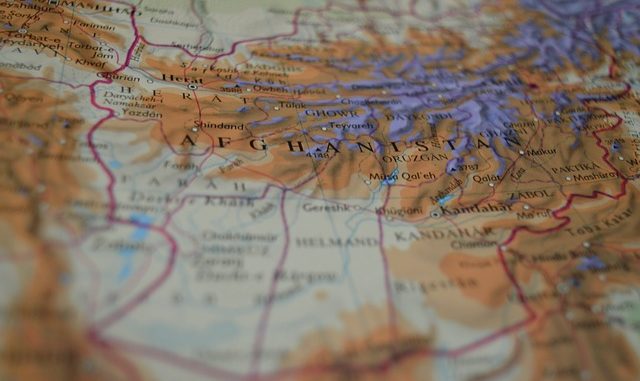
Pakistani military aircraft launched airstrikes in Afghanistan’s eastern Paktika province on Tuesday, resulting in the deaths of at least 46 people, the Afghan Taliban reported. Among the casualties were predominantly women and children, with six others injured in the attacks, according to deputy spokesman Hamdullah Fitrat. The incident has escalated tensions between the neighboring nations, with Afghan officials warning of severe repercussions.
Afghanistan’s Strong Condemnation
Afghanistan’s foreign ministry summoned Pakistan’s head of mission in Kabul to issue a formal protest, calling the bombing a “blatant violation of international principles and an obvious act of aggression.” Enayatullah Khowrazmi, a spokesman for Afghanistan’s Ministry of National Defence, declared, “The Islamic Emirate will not leave this cowardly act unanswered.”
Afghan officials revealed that those killed in the attacks were primarily refugees from Pakistan’s Waziristan region, raising further concerns about the humanitarian impact of the strikes.
Pakistan’s Response
While Pakistani government and military representatives have not officially commented, an unnamed Pakistani official stated that the airstrikes targeted a camp allegedly associated with the Tehreek-e-Taliban Pakistan (TTP), a militant group responsible for recent attacks on Pakistani soil.
The TTP, while ideologically aligned with the Afghan Taliban, operates independently. Its stated goal is to enforce strict Islamic law in Pakistan, similar to the governance model implemented by the Taliban in Afghanistan.
The strikes come shortly after a TTP attack in South Waziristan, which resulted in the deaths of 16 Pakistani security personnel. This incident further strained the already fragile relationship between the two countries.
Historical Tensions
Relations between Afghanistan and Pakistan have been tumultuous, with both nations accusing each other of harboring militants responsible for cross-border attacks. Pakistan has frequently claimed that the TTP orchestrates assaults on its territory from safe havens within Afghanistan, a charge that Afghan authorities have consistently denied.
This recent incident echoes a similar event in March when Pakistan conducted airstrikes in Afghanistan, reportedly killing five women and children. At the time, Pakistan described the operation as an “intelligence-based anti-terrorist action” without providing further details.
Growing Regional Unrest
The airstrikes have drawn international attention to the escalating violence and deteriorating relations between Afghanistan and Pakistan. Analysts warn that such incidents could destabilize the region further, exacerbating humanitarian crises and undermining efforts to establish peace and security.
The Afghan Taliban’s promise of retaliation adds a dangerous layer of uncertainty, potentially leading to more cross-border clashes. As tensions mount, the international community is urging both nations to engage in dialogue and find peaceful resolutions to their disputes.
The Path Forward
The latest airstrikes highlight the urgent need for both countries to address their differences diplomatically. With lives lost and communities displaced, the focus must shift toward ensuring stability and preventing further tragedies in the region. As Afghanistan and Pakistan grapple with their shared challenges, the hope for de-escalation rests on constructive communication and cooperation.
Leave a Reply