


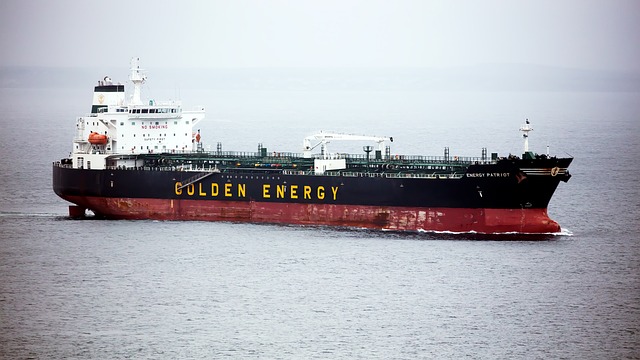
Two Russian tankers, Volgoneft 212 and Volgoneft 239, carrying over 9,000 tons of fuel, were severely damaged by harsh weather conditions near the Black Sea, resulting in a significant oil spill. The incident occurred in the Kerch Strait, a crucial waterway connecting mainland Russia to Crimea. The tankers faced perilous 45 mph (70 kph) winds on Sunday, causing substantial structural damage to both vessels and raising alarm over potential environmental and ecological consequences.
According to Greenpeace Ukraine, approximately 3,700 tons of oil have leaked into the sea, far surpassing the spill that occurred in the region in 2007. That earlier incident saw the contamination of the Kerch Strait’s coastlines, which affected thousands of marine animals and seabirds for years. Video footage shared on unofficial Ukrainian and Russian Telegram channels showed one of the tankers split in two, with rough waves battering the exposed deck. Footage also revealed crew members wearing life jackets as they tried to navigate the perilous situation.
Russian state media confirmed that the Volgoneft 212’s bow was torn off during the storm, resulting in the tragic death of a crew member. Meanwhile, Volgoneft 239 ran aground near the port of Taman in the Krasnodar region. Emergency services successfully rescued 14 crew members from the vessel, but the environmental impact of the spill remains a pressing concern.
This incident highlights the broader risks associated with Russia’s oil transport practices. To evade international sanctions, Russian oil is often transferred from one vessel to another in international waters. Ships departing from Black Sea ports frequently turn off their transponders while en route to destinations like China, India, and Turkey. Such practices are intended to circumvent maritime regulations and allow covert transfers of oil. In response, the European Union has implemented new measures to counter these evasive actions. On Monday, the EU imposed a port access ban and restricted services related to maritime transport for vessels linked to Russia’s “shadow fleet.” The sanctions target 52 additional ships, bringing the total number of restricted vessels to 79.
Ukrainian President Volodymyr Zelensky welcomed these actions, asserting that Russian oil revenue fuels its military operations. He stressed that without the profits generated from oil exports, Russia would struggle to sustain its aggressive policies and war efforts. Ukrainian Navy spokesperson Dmytro Pletenchuk criticized Russia’s disregard for maritime safety, pointing out that the tankers involved in the incident were over 50 years old. Pletenchuk accused Russia of prioritizing oil transfers over compliance with international shipping safety standards, stating that outdated and poorly maintained vessels increase the likelihood of such disasters.
The environmental threat posed by the spill is significant. Greenpeace Ukraine warned that adverse weather conditions could make containment efforts extremely challenging. The potential environmental impact is closely tied to the type of oil being transported. Paul Johnston, head of Greenpeace Research Laboratories, emphasized that heavy residual fuel oils are far more hazardous than lighter substances. If the leaked oil consists of these heavier fuels, the cleanup could become significantly more complex and the damage to marine life and ecosystems could be long-lasting.
The 2007 incident in the same region serves as a grim precedent. At that time, the Volgoneft 139 split in two due to rough seas, spilling 1,000 tons (approximately 560,000 gallons) of fuel oil. The ecological damage from that spill lingered for years, affecting marine biodiversity and local livelihoods dependent on fishing. Given that the current spill is notably larger, experts fear a more severe environmental catastrophe.
Efforts to clean up the spill are reportedly underway, but the scale and complexity of the incident may complicate the response. As the region braces for the impact of this disaster, attention will likely focus on Russia’s broader shipping practices and the effectiveness of international sanctions aimed at curbing such risky operations. The long-term consequences of the spill on marine life, coastal ecosystems, and local communities remain uncertain, but the incident has reignited calls for stricter regulation and oversight of maritime oil transport.
Leave a Reply