


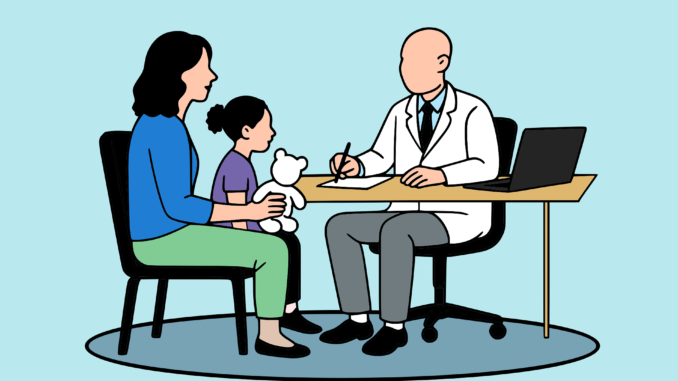
Not every parent who postpones a child’s vaccination opposes vaccines. Some want to discuss the decision with another caregiver, while others worry about possible side effects or prefer to wait until a more convenient time. However, repeated postponements can leave children without protection against serious infectious diseases.
These childhood vaccine delays present a challenge for pediatricians. Instead of facing an outright refusal, doctors may hear that parents intend to return later. That intention can easily turn into a missed appointment, leaving a child unprotected for longer than necessary.
Delaying Vaccines Can Have Consequences
Vaccination helps protect children from illnesses such as measles, mumps, rubella, whooping cough and chickenpox. Although these diseases may seem uncommon in communities with high vaccination rates, they can return when protection declines.
The United States has experienced a decline in routine childhood vaccination coverage in recent years. During the 2025–2026 school year, approximately 92.4% of kindergartners had completed the recommended measles, mumps and rubella vaccine series, below the 95.2% reported for the 2019–2020 school year.
Even a relatively small decline can mean thousands of children lack documented protection. When vaccination coverage drops, infectious diseases have more opportunities to spread, particularly among infants and people who cannot receive certain vaccines for medical reasons.
Why Parents Choose to Wait
Parents may delay vaccination for several reasons. Some worry that their child could experience a fever, soreness or other temporary side effects. Others encounter conflicting information online and struggle to distinguish reliable medical advice from misleading claims.
Family logistics can also influence decisions. A parent may want the other caregiver present, worry about a child feeling unwell before an event, or simply feel that there is no urgency to complete the recommended schedule.
Understanding these concerns is important. Dismissing questions can make families less comfortable discussing their worries. Clear explanations from a trusted healthcare professional can help parents understand both the benefits of vaccination and the risks associated with postponement.
How Healthcare Providers Can Help
Pediatricians can make a difference by treating vaccination as a routine part of preventive care and explaining which shots are due during each visit. When parents need more time, scheduling a specific follow-up appointment can turn a vague intention into a practical plan.
Doctors can also invite both caregivers to participate in discussions, provide trustworthy educational resources and answer questions without judgment. These steps can make childhood vaccine delays less likely to become long-term gaps in protection.
Healthcare systems can support families by improving appointment availability, offering reminders and making vaccination services easier to access.
Making Timely Vaccination a Priority
Parents do not need to label themselves as pro-vaccine or anti-vaccine to make an informed decision. What matters is understanding the recommended schedule and discussing concerns with a qualified healthcare professional.
If a child has missed a scheduled dose, parents should contact their pediatrician or local healthcare provider to find out how to catch up. They should not assume that a missed appointment means starting the entire series again.
Reducing childhood vaccine delays requires cooperation between families and healthcare professionals. Honest conversations, reliable information and practical appointment planning can help more children receive recommended vaccines on time and stay protected against preventable diseases.
Leave a Reply