


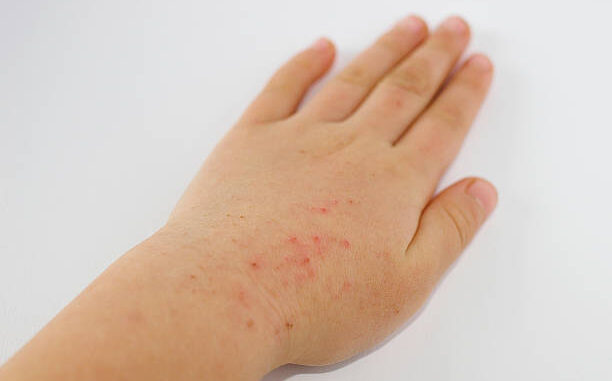
A new report from the World Health Organization (WHO) reveals that measles, once viewed as a disease on the brink of global elimination, is making a troubling comeback. For more than two decades, widespread vaccination drastically reduced global measles deaths — an estimated 58 million lives were saved between 2000 and 2024. But this steady progress is now being eroded.
The WHO report highlights a significant surge in measles cases as vaccination rates dip below the threshold required to interrupt transmission. In the past year alone, 59 countries experienced major or disruptive outbreaks, nearly triple the number seen in 2021. Even more concerning is that roughly one-quarter of these outbreaks occurred in nations previously recognized as measles-free, including the United States and Canada.
According to WHO experts, the relapse is largely driven by weakened routine immunization programs, reduced funding, and gaps in disease monitoring. The organization notes that reduced global health investment — especially from major contributors — has complicated efforts to keep elimination goals on track.
Measles elimination refers to halting local transmission and maintaining the ability to quickly contain imported cases. Canada recently lost its elimination status, and WHO officials fear the United States could soon face the same reversal. The US Centers for Disease Control and Prevention has already documented its highest number of cases since the country achieved elimination in 2000, reporting 1,798 infections so far this year.
Despite having one of the world’s most contagious viruses, measles can be prevented through an affordable and highly effective vaccine. Still, global protection remains uneven. More than 30 million children lacked adequate immunity in 2024, leaving significant pockets of vulnerability worldwide.
Progress Continues, but Not Fast Enough
Even with these setbacks, certain regions have achieved important milestones. Since 2000, global deaths from measles have sharply declined, and nearly every region has pledged to move toward eliminating both measles and rubella. This goal depends on ensuring at least 95% vaccine coverage, strengthening surveillance, and integrating immunization into broader health systems.
This year brought significant wins: Cabo Verde, Seychelles, and Mauritius became the first African states to achieve measles elimination, while 21 Pacific island countries eliminated both measles and rubella.
However, challenges persist. Several nations still do not administer the second routine dose of the vaccine — a critical step, as the second dose boosts long-term immunity to around 95%. Globally, only 84% of children received their first dose and just 76% received the second in 2024. Children living in conflict zones or unstable regions face the greatest barriers to vaccination.
Why Progress Is Slowing
Experts link the stagnation mainly to the disruptions caused by the COVID-19 pandemic, which interrupted routine immunization efforts worldwide. Many children who missed their scheduled doses have yet to catch up, creating immunity gaps that measles quickly exploits.
Misinformation, limited access to health services, and weakened immunization infrastructure further complicate efforts. Routine vaccination depends on well-trained health workers, reliable transportation, strong laboratory networks, and functioning surveillance systems — resources some countries still struggle to maintain.
The WHO report also warns that reductions in funding for the global measles and rubella laboratory network may widen existing immunity gaps and contribute to future outbreaks. Strengthening domestic investment and building durable health systems, the report says, are now urgently required to prevent further setbacks and revive momentum toward a measles-free world.
Leave a Reply