


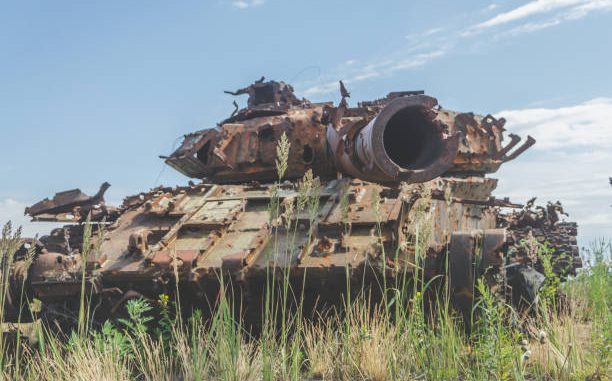
Russia has initiated a significant withdrawal of its military forces and equipment from Syria, signaling a potential shift in its strategic objectives in the region. According to intelligence from U.S. and Western officials, the pullback, which started last week, is described as substantial. However, it remains unclear if the withdrawal is permanent.
The retreat follows the recent removal of former Syrian President Bashar al-Assad. Reports suggest that Russia is seeking to negotiate with Hayat Tahrir al Sham (HTS), the principal rebel faction now in control of Syria. Russian authorities aim to secure continued access to key military installations, including the Khmeimim airbase in Latakia and the Tartus naval facility, vital for Russia’s influence in the eastern Mediterranean.
Kremlin spokesperson Dmitry Peskov acknowledged ongoing communication with Syrian rebel groups. “We must maintain contact with those who are controlling the situation on the ground because we have facilities and personnel there,” he stated during a press briefing.
Military Assets Shifted to Libya
As part of the withdrawal, Russian naval resources are reportedly being relocated to Libya. Two U.S. officials noted that some Russian naval vessels have moved from Syrian ports to Libyan waters. Additionally, Moscow is said to be pressuring Libyan National Army commander Khalifa Haftar to solidify Russia’s access to a strategic port in Benghazi. Without this port and the facility at Tartus, Russia’s capacity to project military power in the Mediterranean could be significantly diminished.
Flight tracking data and satellite imagery reveal that Russian cargo planes have been active at Libya’s al-Khadim airbase, which has historically served as a launch point for Russian operations in Africa. The al-Khadim base has also been linked to the activities of the Wagner Group, a paramilitary organization accused of supporting conflicts in Africa.
Signs of Withdrawal from Syrian Bases
At Syria’s Khmeimim airbase, evidence of military repositioning has emerged. Heavy military transport planes, including AN-124 aircraft, were observed with open cargo bays, suggesting preparations to load equipment. Components of Russia’s S-400 air defense system, as well as Ka-52 attack helicopters, were seen being dismantled, likely for transport. Armored vehicles and missile systems were also captured on video, moving toward the port of Tartus.
Impact on U.S. Operations in Syria
Russia’s withdrawal has had a noticeable impact on U.S. military operations in Syria. According to Pentagon Press Secretary Major General Patrick Ryder, U.S. forces now have greater freedom to conduct airstrikes against ISIS targets. Previously, the presence of Russian and Syrian air defense systems created a challenging operational environment for U.S. forces.
U.S. Central Command (CENTCOM) has launched multiple airstrikes targeting ISIS operatives and camps since Assad’s ouster. Officials suggest that the absence of Russian air defenses has significantly improved the operational landscape, allowing U.S. forces to engage targets with fewer restrictions.
Calls for Accountability
During a press briefing, State Department spokesperson Matthew Miller emphasized that the fate of Russian bases in Syria should ultimately be decided by the Syrian people. He criticized Russia’s role in the Syrian conflict, pointing to its support for Assad’s regime, which has been accused of committing atrocities against Syrian civilians.
“Russia’s history in Syria is marked by complicity in the massacre of hundreds of thousands of civilians. They backed a regime that used chemical weapons on its own people,” Miller stated, underscoring the U.S. position that Russia should be held accountable for its role in Syria’s devastation.
The large-scale withdrawal of Russian military forces from Syria raises questions about Russia’s strategic priorities. By redirecting its naval and aerial assets to Libya, Russia appears to be shifting its influence strategy in the region. Meanwhile, the move offers U.S. forces in Syria greater operational flexibility in the ongoing fight against ISIS, marking a notable shift in the region’s balance of power.
Leave a Reply