


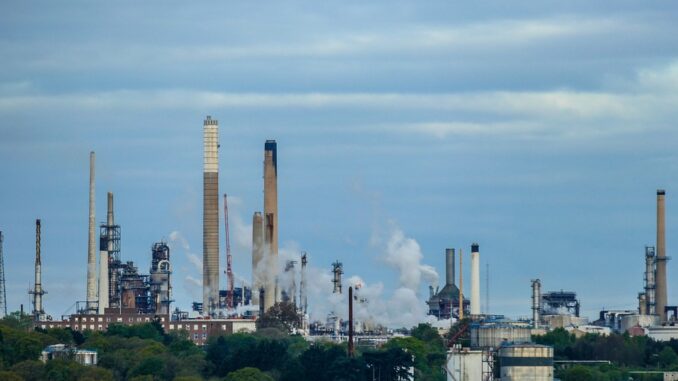
Saudi Aramco has reported another period of solid financial results, demonstrating the resilience of the global energy sector despite ongoing economic uncertainty and fluctuating oil prices. The company’s latest performance reflects steady worldwide demand for energy, disciplined operations, and continued investment in long-term growth initiatives.
As one of the world’s largest energy producers, Saudi Aramco remains a key player in international oil markets. Industry analysts say the company’s scale, production capacity, and operational efficiency continue to support strong earnings even as global markets respond to geopolitical developments and changing economic conditions.
Strong Demand Supports Energy Producers
Demand for crude oil remains relatively stable across many regions, supported by transportation, industrial manufacturing, and expanding economic activity in developing countries. While renewable energy investment continues to grow, conventional energy sources remain essential for powering businesses and global supply chains.
Saudi Aramco has benefited from this steady demand by maintaining reliable production levels and optimizing its operations. Energy experts note that efficient production and strategic planning have allowed the company to remain competitive during periods of market volatility.
Global oil prices continue to influence revenue across the energy sector, with supply decisions and international events playing an important role in determining market conditions.
Investment Focused on Future Growth
Alongside its financial performance, Saudi Aramco continues investing in projects designed to strengthen its long-term business strategy. These investments include expanding production capacity, improving refining operations, and supporting research into emerging energy technologies.
The company has also increased its focus on lower-carbon solutions, including hydrogen development, carbon capture technologies, and operational efficiency projects. These initiatives reflect broader industry efforts to balance current energy demand with future sustainability goals.
Executives believe maintaining investment during periods of financial strength will help the company remain competitive as the global energy landscape evolves.
Energy Markets Remain Closely Monitored
Investors continue watching developments in the oil and gas industry because energy prices influence inflation, transportation costs, manufacturing expenses, and overall economic performance.
Strong earnings from major producers are often viewed as an indicator of healthy global energy demand. At the same time, analysts continue monitoring production agreements, trade policies, and geopolitical developments that may affect future market stability.
Businesses across multiple industries rely on predictable energy supplies to support long-term planning and investment decisions.
Industry Faces Both Opportunities and Challenges
Although traditional energy remains an essential part of the global economy, companies throughout the sector are preparing for long-term changes in how energy is produced and consumed.
Technological innovation, environmental policies, and increasing investment in cleaner energy sources are reshaping the industry’s future. Many energy companies are working to diversify operations while continuing to meet current global demand.
Analysts believe organizations capable of balancing profitability with innovation will be best positioned for future growth.
Looking Ahead
Saudi Aramco’s latest financial performance highlights the continuing importance of the oil and gas industry in supporting economic activity around the world. While energy markets remain sensitive to changing economic and political conditions, demand for reliable energy supplies continues to provide opportunities for major producers.
As investment in both conventional and emerging energy technologies continues, the company is expected to remain an influential force within the global energy market. Future performance will likely depend on international demand, production strategies, and the pace of change across the broader energy s
Leave a Reply