


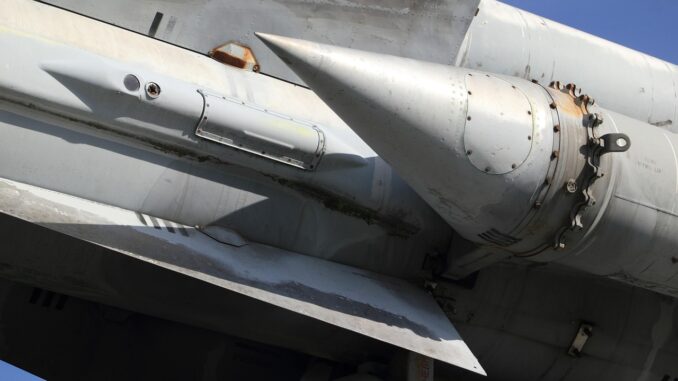
North Korea fired two short-range ballistic missiles toward the East Sea on September 20, according to South Korean and Japanese officials, marking another weapons test as tensions continue to build on the Korean Peninsula.
The North Korea missile launch occurred in two separate firings from the Wonsan area on the country’s eastern coast. The first missile was launched at about 3 p.m. local time, followed by another roughly three hours later.
Two Missiles Fired From Wonsan
South Korea’s Joint Chiefs of Staff said the first missile traveled approximately 450 kilometers before falling into the sea. The second missile traveled more than 600 kilometers.
South Korean and US intelligence agencies were monitoring the launches and sharing information with Japan as they worked to determine the precise specifications of the weapons.
Japan’s Defense Ministry also confirmed the launches. Japanese officials said the projectiles fell into the sea and outside Japan’s exclusive economic zone.
Seoul Raises Its Security Alert
South Korea’s presidential National Security Office held an emergency meeting after the first launch to assess the situation and consider an appropriate response.
Seoul urged Pyongyang to stop its ballistic missile activity, saying such launches violate United Nations Security Council resolutions restricting North Korea’s nuclear and missile programs.
South Korea’s military also said it was maintaining a strong readiness posture while continuing to monitor North Korean military activity.
Tests Follow Earlier Weapons Activity
The latest North Korea missile launch came only eight days after Pyongyang fired multiple short-range ballistic missiles toward the East Sea on September 12.
North Korea later described those tests as part of a firepower exercise involving different weapons systems, including missiles, artillery and drones.
The country has also criticized recent military exercises involving the United States, South Korea and Japan. North Korean officials have repeatedly described such drills as threats to its security.
US Says There Is No Immediate Threat
US Pacific Command said it was aware of the latest launches and was consulting with regional allies and partners.
The US military said its initial assessment indicated that the launches did not pose an immediate threat to American personnel or territory or to US allies in the region.
At the same time, Washington continues to coordinate with South Korea and Japan as the three countries monitor North Korea’s weapons activity.
More Tests Could Follow
The latest North Korea missile launch adds to a series of weapons demonstrations carried out by Pyongyang this year.
Japan’s defense minister said the country had recorded at least 15 ballistic missile launches across nine instances during 2026 as of September 20, compared with at least five missiles across four instances during 2025.
North Korea has not immediately provided its own account of Sunday’s launches. State media remained silent early September 21, although Pyongyang has sometimes reported missile tests after a delay.
The latest launches are likely to keep regional governments focused on North Korea’s expanding weapons activity and the security implications for the Korean Peninsula and surrounding waters.
Leave a Reply