


For decades, Bangchak Corporation epitomised Thailand’s dependence on fossil fuels, its green-branded service stations lining highways and its refinery in Bangkok’s Phra Khanong district supplying much of the country’s transport sector. Today, the company is in the midst of a profound transformation — attempting to recast itself as a leader of Southeast Asia’s energy transition, even as it balances the realities of oil dependence with the imperatives of decarbonisation.
Established in 1984 as a state-owned enterprise, Bangchak began life as a traditional refiner and fuel distributor. Over time it was partially privatised and floated on the Thai stock exchange, yet retained its strong domestic identity. Its early diversification came through biofuels, positioning itself as a supplier of ethanol and biodiesel long before energy security and carbon reduction became mainstream political concerns.
That instinct to pivot has shaped the company’s recent decade. Its strategy, codified in the “BCP 316 NET” plan, commits Bangchak to achieve net zero emissions by 2050. The approach is pragmatic: use the stable cash flows from refining to fund growth in cleaner technologies ranging from renewables to sustainable aviation fuel (SAF).
Renewables across Asia
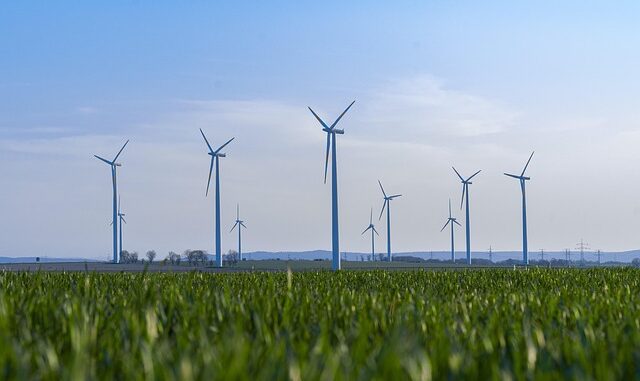
Through its subsidiary BCPG, Bangchak has emerged as a regional player in renewable generation. The company now operates solar and wind farms not only in Thailand but also in Laos, Japan and Taiwan.
The Monsoon wind project in Laos, among Southeast Asia’s largest, has begun commercial operation, exporting power into neighbouring Vietnam. In Taiwan, Bangchak is developing two new solar farms with a combined capacity of more than 100MW, cementing its role in one of Asia’s most competitive clean energy markets. These projects provide geographic diversification and a hedge against Thailand’s relatively slow pace of renewables adoption.
Storage and localised energy solutions
Bangchak has also been experimenting with battery energy storage systems (BESS), a technology increasingly viewed as essential for integrating intermittent renewables into power grids. A pilot programme with agricultural cooperatives in Thailand combines solar capacity with storage, reducing electricity costs for rural communities and bolstering local energy security. Analysts note that such distributed solutions could become a scalable template across emerging markets in Asia, where central grids often struggle with stability.
Perhaps the boldest move is Bangchak’s entry into sustainable aviation fuel. Earlier this year, the group completed construction of an SAF production unit capable of producing up to 1mn litres per day. While still undergoing test runs, the facility positions Bangchak as one of Southeast Asia’s first movers in a sector airlines see as critical for meeting net-zero pledges.
Yet uncertainty looms: Thailand’s government has yet to finalise a mandate requiring carriers to blend SAF into their fuel mix. “The commercial viability of SAF hinges on policy clarity,” notes an executive close to the company. “Bangchak is ready — but the economics won’t stack up until regulation and incentives are in place.”
Regional race to decarbonise
Bangchak’s transformation mirrors shifts under way across Southeast Asia. Petronas of Malaysia has launched Gentari, its clean energy subsidiary targeting 30-40GW of renewables by 2030. Pertamina in Indonesia is expanding its geothermal portfolio. Thailand’s own PTT is investing in hydrogen, electric vehicle charging and overseas renewables.
Bangchak, smaller than its regional peers, distinguishes itself through a more targeted portfolio and strong ESG messaging. Its “Fry to Fly” initiative, which collects used cooking oil to produce jet fuel, has won awards and international media coverage. Combined with accolades such as the EIA Monitoring Award for its Bangkok refinery, the group is cultivating reputational capital attractive to investors seeking credible transition stories in emerging markets.
Challenges ahead
The path forward is not without risks. Refining — still the backbone of Bangchak’s earnings — faces structural headwinds as global demand for oil products plateaus. Competition for renewable assets in Asia is intensifying, pushing up valuations. And policy delays, particularly around SAF, could weigh on returns from recent investments.
Nevertheless, Bangchak’s ability to consistently reinvent itself has marked it out since its inception. From introducing biofuels in Thailand to pushing into solar, wind and now SAF, the group has shown a willingness to anticipate policy and market shifts.
For investors, Bangchak offers a dual narrative: a stable cash-generating refiner, and a high-growth platform for Southeast Asia’s clean energy boom. Success will depend on how deftly it manages this balancing act — scaling renewables and sustainable fuels fast enough to offset future declines in fossil-based earnings, while convincing policymakers to accelerate regulatory frameworks.
In a region where state-backed incumbents dominate, Bangchak’s relatively nimble strategy could yet allow it to punch above its weight.
Leave a Reply