


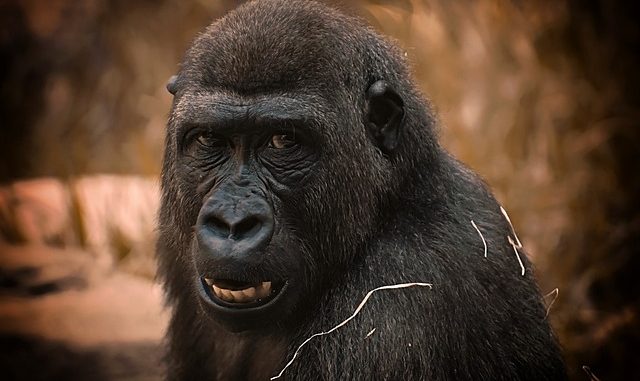
For three decades, Dr. Gladys Kalema-Zikusoka has dedicated her life to protecting Uganda’s endangered mountain gorillas. Her work in Bwindi Impenetrable National Park—one of only two habitats where these great apes survive—has helped pull the species back from the brink of extinction.
A Lifelong Mission
Kalema-Zikusoka’s passion for wildlife began in childhood, despite growing up during Uganda’s turbulent political past. After earning her veterinary degree from the Royal Veterinary College in London, she returned home in 1994 and began working in Bwindi. At the time, fewer than 300 mountain gorillas remained in the park. Today, thanks to her efforts, the population has rebounded to 459, leading the International Union for Conservation of Nature (IUCN) to downgrade their status from “critically endangered” to “endangered” in 2018.
Challenges and Solutions
Mountain gorillas face multiple threats, including habitat loss, poaching, and disease transmission from humans. Recognizing that conservation couldn’t succeed without community involvement, Kalema-Zikusoka founded Conservation Through Public Health (CTPH) in 2003. The organization works with local villages to improve healthcare, hygiene, and sustainable livelihoods, reducing human-wildlife conflict.
One major breakthrough came after a scabies outbreak in a gorilla family—traced back to nearby human settlements. This incident reinforced the need for a “One Health” approach, which considers the interconnectedness of human, animal, and environmental health.
Economic Benefits of Conservation
Tourism has become a vital part of gorilla conservation. In 1993, only about 1,300 visitors came to see Bwindi’s gorillas. By 2023, that number had soared to nearly 39,000, generating significant revenue for Uganda. The Uganda Wildlife Authority reinvests 20% of park earnings into local communities, funding schools, roads, and healthcare.
Former poachers have also been given alternative livelihoods. Over 300 hunters have surrendered their traps, with many retraining as rangers or guides. Alex Ngabirano, a former CTPH employee, now leads Mubare Biodiversity, an organization that helps ex-poachers transition to conservation-based jobs.
Global Recognition and Hope for the Future
Kalema-Zikusoka’s work has earned international acclaim, including the Whitley Gold Award (2009) and the Tällberg-SNF-Eliasson Global Leadership Prize (2022). Most importantly, her efforts continue to yield results—three new gorilla births were recorded in Bwindi in early 2024.
“Every new birth gives me hope,” says Kalema-Zikusoka. “We’re proving that even critically endangered species can recover when people and nature work together.”
With sustained conservation efforts, Uganda’s mountain gorillas—once on the verge of disappearing—now have a fighting chance at survival.
Leave a Reply